The Creative Sweet Spot

For most of us, our lives were built around the security of routine. For us creatives, routine can become a prison. Where is the sweet spot between the necessity of routine and stepping outside it to create? I’m working at finding that balance.

It’s an established fact that children thrive on routine. In our earliest years, it provides stability, safety, and a kind of certainty that life is predictable.

Photo thanks to: Arthur Krijgsman / pexels

School provides more of the same. Our earliest schedules prescribe the beginning of our day, the order of subjects, teachers and classes, and a 3 o’clock bell. In time, we evolve to work – get on the train, the subway, in the car to arrive at work at 9, finish at 5 (or some variation.)

The one-time comfort of routine can easily become a sturdy fence of limitation around us. Even when schedules shift, there may still be an insistent subtext.

Where and when is the space to be creative? Does it have to wait until the end of our day or the weekend? I still struggle with this even though I freelance from home. While I continue to mostly work a traditional workweek for clients, I do have some flexibility.  
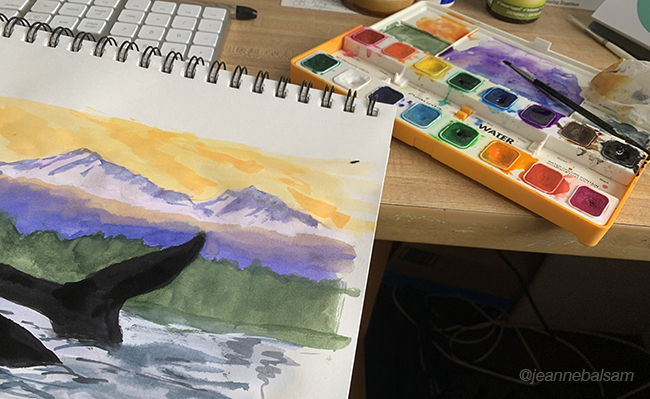
Yet I wonder – can I just leave what I’m doing at the computer and go draw or write in my studio for hours at a time? Can I just leave my desk and go walking and take photographs? And as crazy as this sounds, can I take a Monday-Friday “workday” and spend it cleaning, or cooking and baking – instead of doing something work-related?

Changing our habits is how we grow. To create is to step outside our comfort zone, to let go of what feels safe and secure, and take a leap, of whatever size it may be. To break a habit is to rewire our brain, one which, for many of us, has been wired for life to fit a schedule.

Breaking that kind of habit can be a challenge, and while I wish it were otherwise, it often still is for me. I’m pushing through, little step by little step, often grappling with guilt, but it’s the only way out. I actually have no idea what my sweet spot will look like, only that it can’t be this, and for now, every little push has to be enough.

Do you struggle with breaking the habit of routine to find your creative self?
The Artist Date

It’s the weekend. I have chores to do and a few other things to catch up on, but what about tomorrow?

Maybe I’ll take myself on an Artist Date, I thought.

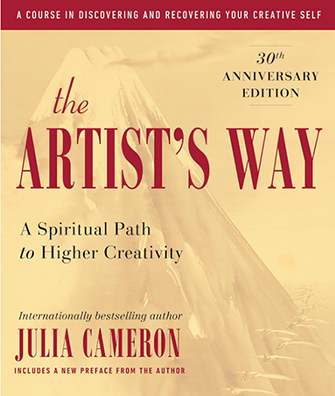
What is an Artist Date? It’s one of two basic artists’ practices proposed by Julia Cameron to inspire creativity. The other is The Morning Pages. She introduced these in her 2002 book, The Artist’s Way. (She also has many, many more ways to get your inspiration moving.)

The Morning Pages is a daily writing exercise, three pages of stream of consciousness writing done in the morning to kick off your day with inspiration.

But the Artist Date – that asks a little more of us. Ms. Cameron asks that we take ourselves somewhere each week – by ourselves – for a block of time to “nurture our inner artist.” The cool thing about the Artist Date is that it can be anywhere – take a few photos by the river; people-watch in town; go to a museum, gallery, library, some special shop; take pictures, sketch, read, or just watch. But go by yourself.

As we are creatures who seem to be always facing schedules and tasks, taking that time for ourselves, and BEING by ourselves, may be a bigger ask for some than you think. Or maybe not. You just may love it.

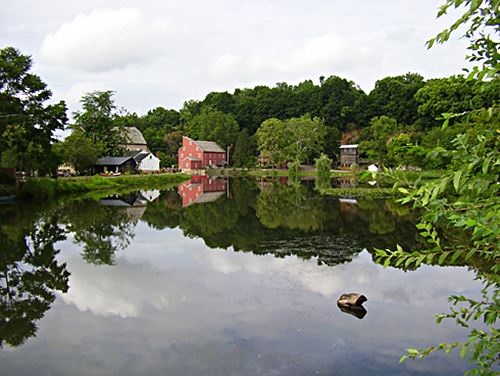
Pictured above was an Artist Date I took in Clinton some time ago. I realized that I have a perfect opportunity to take myself on a date this coming Tuesday, and so I shall. Stay tuned.

Learn more about Julia Cameron’s The Artist’s Way and get ready to be inspired!

Poetry – Day 6

April is National Poetry Month. During the month, I will occasionally share poetry that speaks to me, hopefully, to you, too.

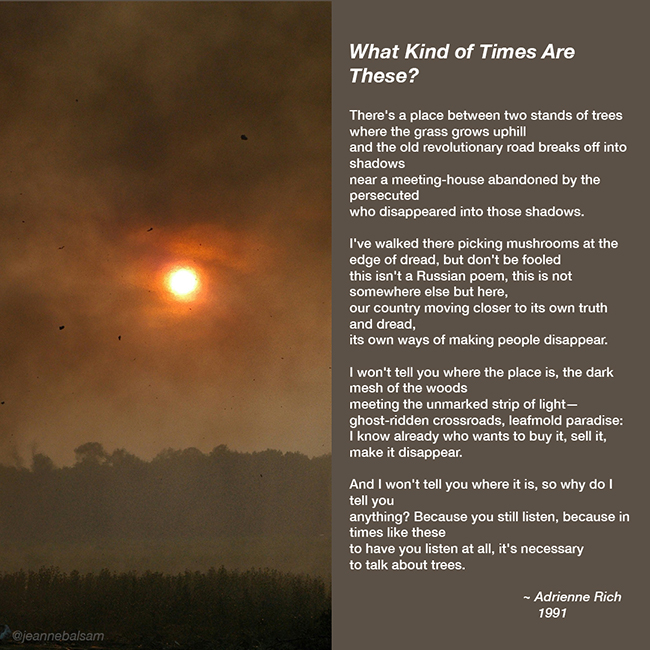
What Kind of Times Are These

There’s a place between two stands of trees where the grass grows uphill
and the old revolutionary road breaks off into shadows
near a meeting-house abandoned by the persecuted
who disappeared into those shadows.

I’ve walked there picking mushrooms at the edge of dread, but don’t be fooled
this isn’t a Russian poem, this is not somewhere else but here,
our country moving closer to its own truth and dread,
its own ways of making people disappear.

I won’t tell you where the place is, the dark mesh of the woods
meeting the unmarked strip of light—
ghost-ridden crossroads, leafmold paradise:
I know already who wants to buy it, sell it, make it disappear.

And I won’t tell you where it is, so why do I tell you
anything? Because you still listen, because in times like these
to have you listen at all, it’s necessary
to talk about trees.

– Adrienne Rich, 1991

Photo by Jen Theodore/Unsplash

Seeing Art – Princeton University Art Museum

What kind of museum do you want to go to? What do you want to see?

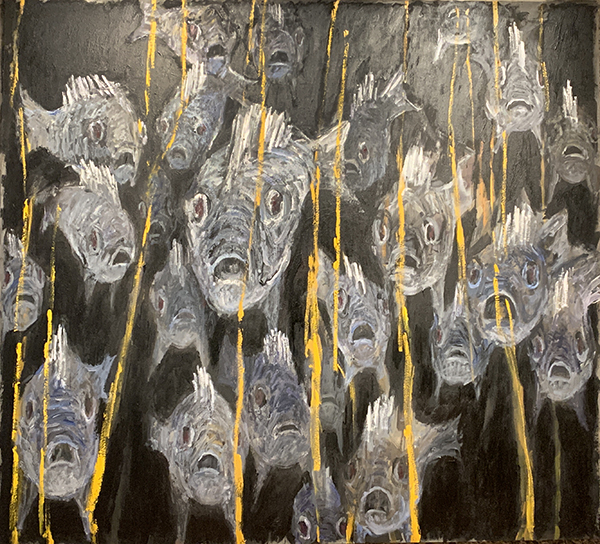
Fish” – Zhang Hongtu, 1985, Acrylic on Canvas

For me, as an artist, photographer, writer, I want to see art. I want to see what will make my eyes open wider.

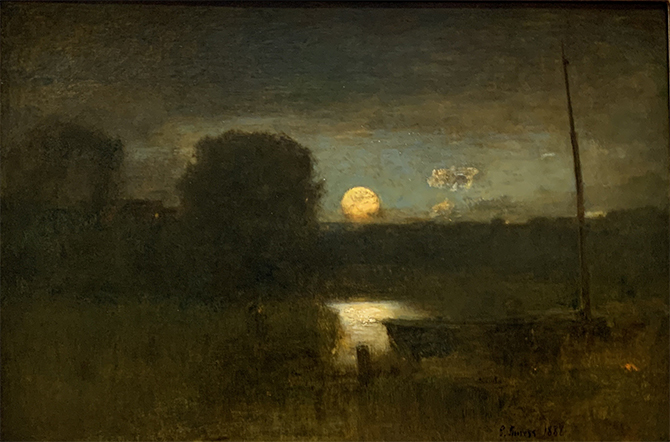
“Moonrise” – George Inness, 1888, Oil on canvas

I want to see what will touch my very being and remind me of who I am. Because in today’s intense, fast-moving world, it can be easy to sometimes forget.

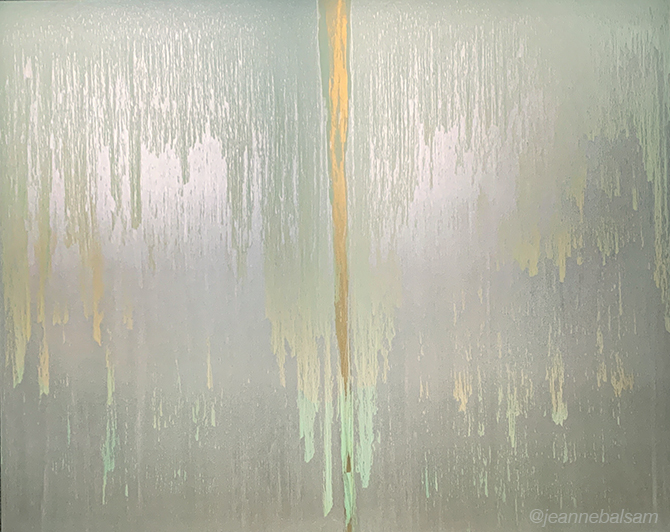
“Moon Beam” – Pat Steir, 2005, Oil on canvas

I want to try and understand another human being who looks at the same thing as me, but sees it in such a vastly different way.

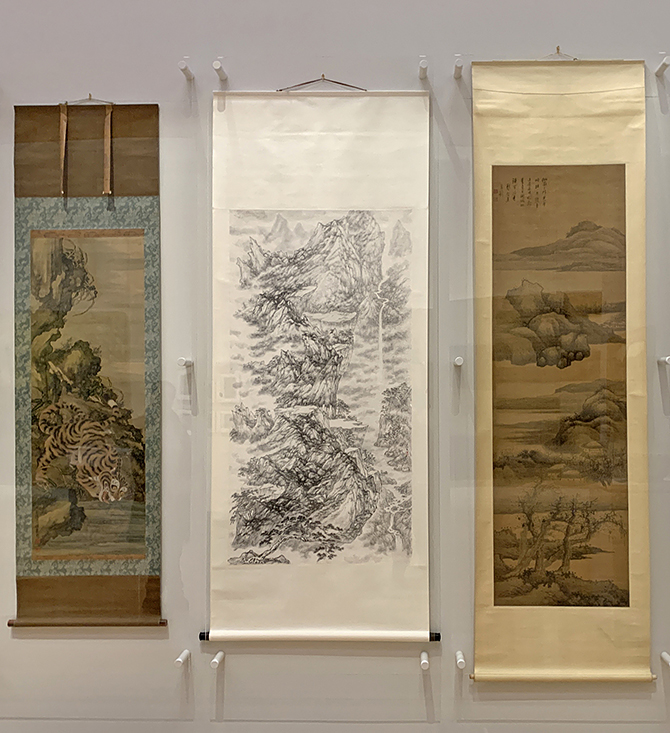
L to R – “Tiger Drinking from A Stream” – Yumashiro Yuhi, October 1761, Ink, color, gold pigment on silk; “Bridge to Heaven 2006.2” – Arnold Chang, 2006, Ink on paper; “An Immortal’s Abode Above the Clouds” – Gong Xian, mid 1680s, ink on silk.

I want to see what someone creates who has a totally different life and totally different experiences than me.

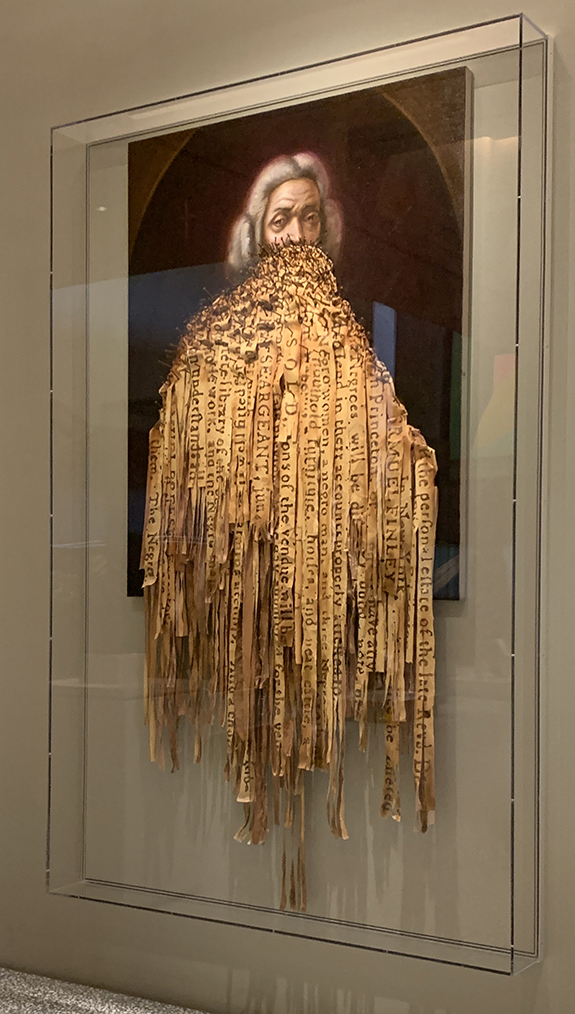
“To Be Sold” – Titus Kaphar, 2018, Oil on canvas with rusted nails. References the sale of 6 enslaved persons belonging to a former president of the university on this site, 1761-1766.

I want to get my heart cracked open a little.

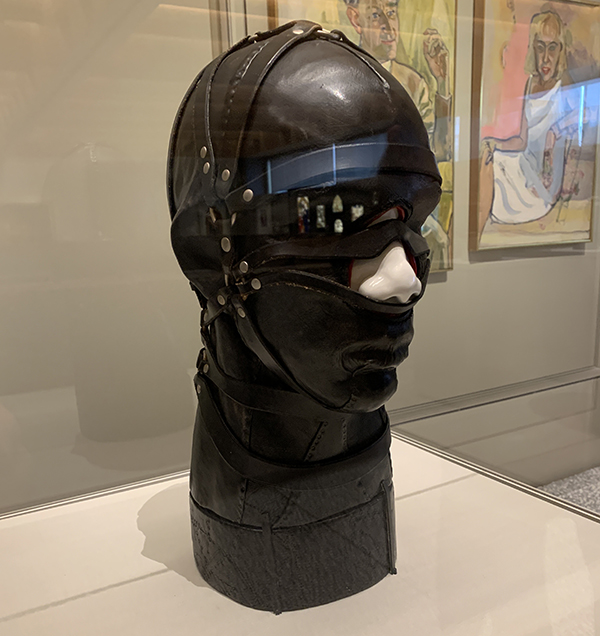
“A.M.X.” – Nancy Grossman, 1969-1970, Wood with nailed and stitched leather.

I want to go home and keep thinking for a while, not just of what I saw, but of what the artist stated their intentions were.

“Naga” – Tuan Andrew Nguyen, 2024, Primarily pounded and polished brass plates made from unexploded bomb metal and artillery shells.

I want to take in these feelings from another’s visions, and I want them to call to me, wash over me, not to drown me, but to pull me … me … to the surface.

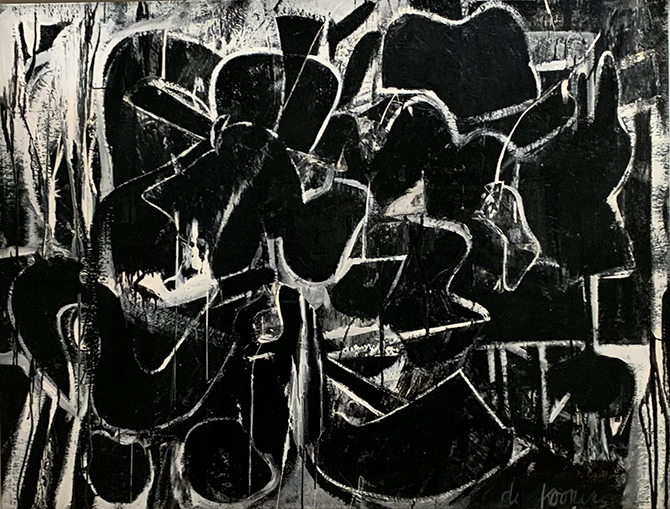
“Painting” – Willem De Kooning, 1948, Enamel and oil on canvas.

This museum visit is the first chance I’ve had to get out and see art in a while. I’d forgotten how intense an experience it can be. How wonderful.

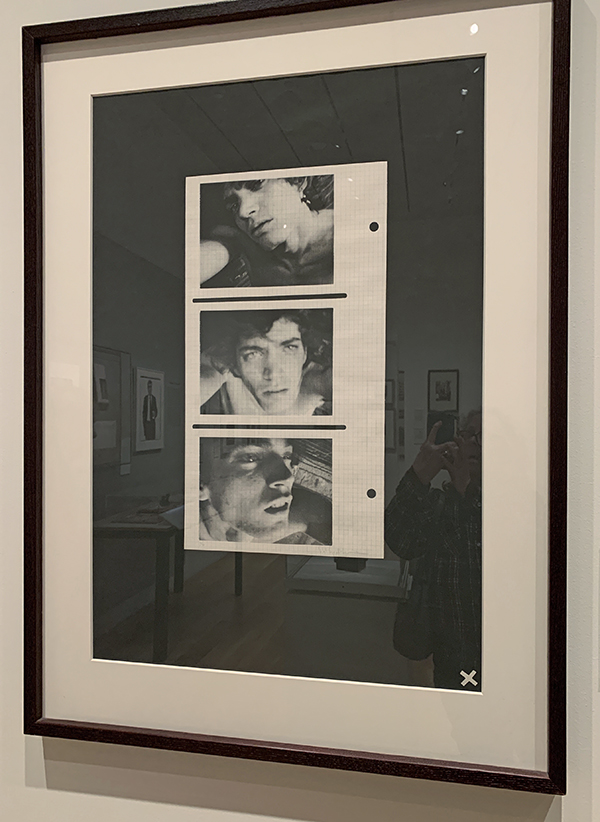
“Self-Portrait” – Robert Mapplethorpe, 1972, Photo silkscreen

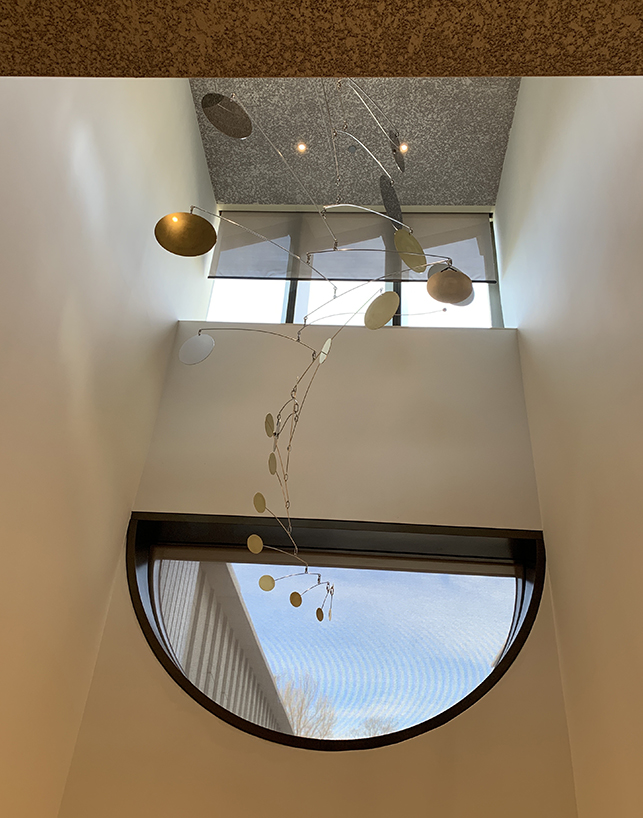
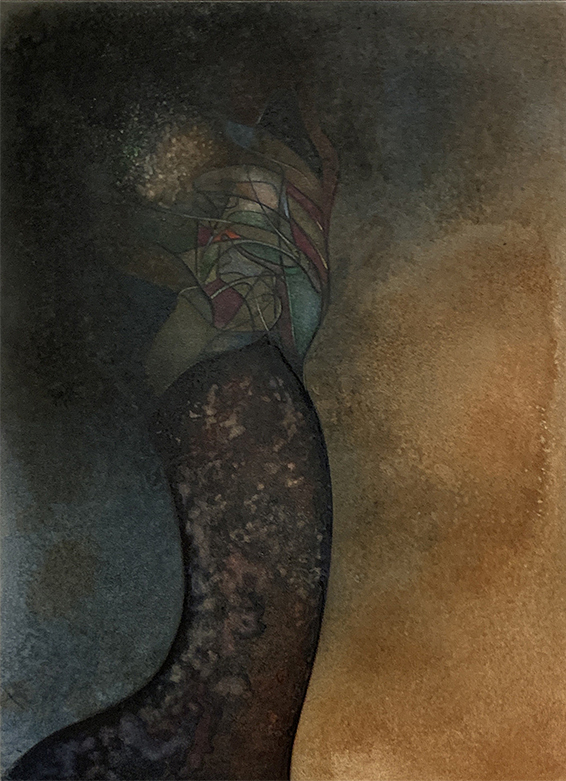
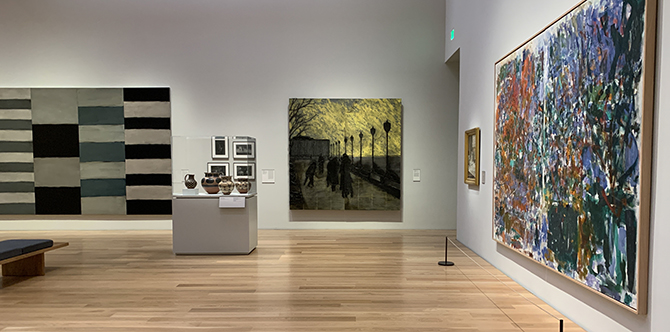
The art pictured here is all from the recently reopened (10/31/2025) Princeton University Art Museum, located on the Princeton, NJ campus. The construction took three years, and was built on the same site where the previous museum had existed and was then razed.

“Dogariya – The Queen’s Guard, from the series Anima Project” – Marcia Kure, 2022, Kola nut, indigo, and watercolor on board.

The PUAM houses both classical and contemporary art from around the world. Art pictured here is only from two small special exhibits, one on photography and another on Willem de Kooning, and a larger exhibit of pieces recently donated or promised upon the reopening. Some of what I photographed was in the hallways connecting exhibits. One could spend days there. I’ll be going back.

Go find some inspiration. See new stuff. Be happy

Find more at the Princeton University Art Museum.

The Symbol of the Butterfly

What is the meaning of a butterfly? Often, the butterfly symbolizes change, due to its dramatic transformation from a caterpillar to a magnificent winged creature. In Japanese, Burmese, and many other cultures the butterfly is seen as a symbol for the soul.

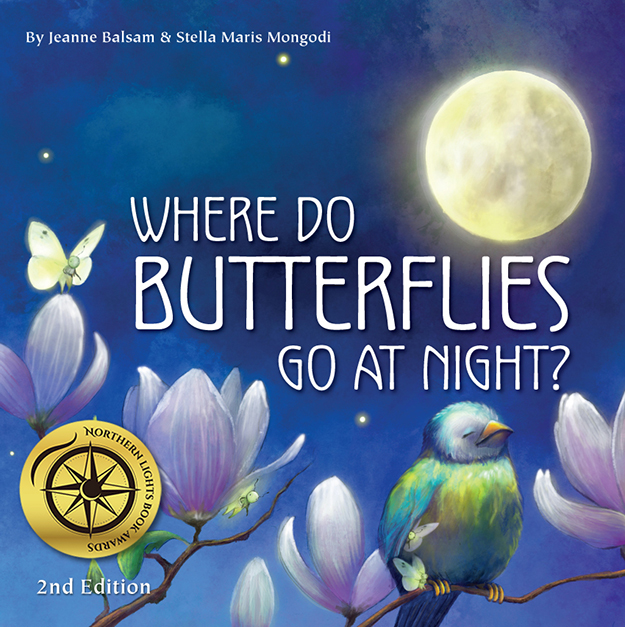
Was symbolism intended when I wrote my picture book, Where Do Butterflies Go at Night?

If you had asked me when I first wrote it in 2009, I would have said `no’, but I now question if I didn’t have more in mind than even I knew. I submitted “Butterflies” to agents and traditional publishers for many years. Although I often got positive feedback, it was ultimate;y rejected because it was in rhyme, and rhyme is hard to sell.

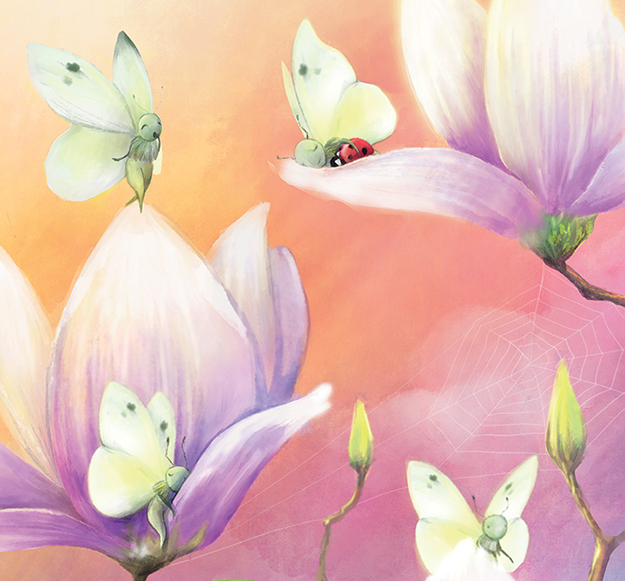
A small, independent publisher saw the beauty in my story of the magical imaginings of a child who wondered where the butterflies went at night. It was published with the lovely art of Stella Maris Mongodi, who brought the sweet simplicity of the cabbage white butterfly to life in a whole new and charming way.

When the original publisher closed its doors, I self-published this, my debut picture book, now identifying it as “2nd Edition.” In 2025, it won a first place award in the poetry category from a prestigious reviewer of children’s books. And in my most recent picture book school presentation, I decided to do something a little differently.

In emphasizing the concept of change from caterpillar to butterfly, I talked with 1st and 2nd graders about the importance of embracing change; being brave in the face of change; and understanding that all change is ultimately working in our favor. One might think little ones wouldn’t get that, but they did. Sometimes wiser than we adults, they did.

And so, the butterfly has become a symbol of transformation for me, as well. I’ve gone through many changes with these butterflies and their story. They continue to light my path, and I am still unfolding.

~~~~~~~~~~~~

Where Do Butterflies Go at Night, 2nd Edition is available on Amazon and in also my Etsy shop, if you would like your copy signed.

Photo credits:
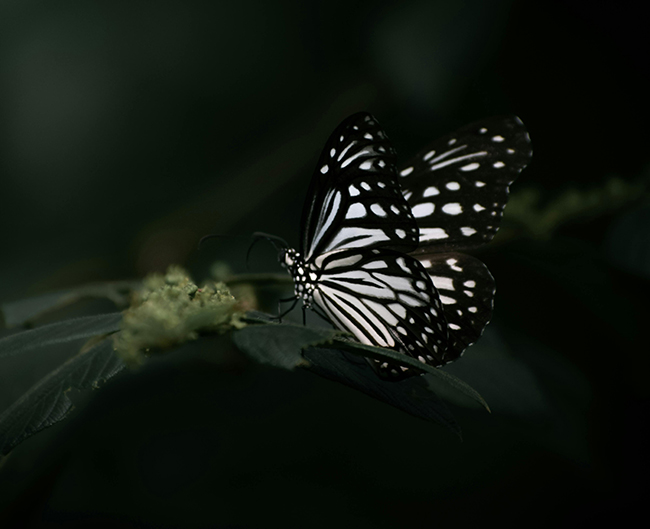
BW butterfly: pexels/6th Era Photography; @stories_by_sixthera
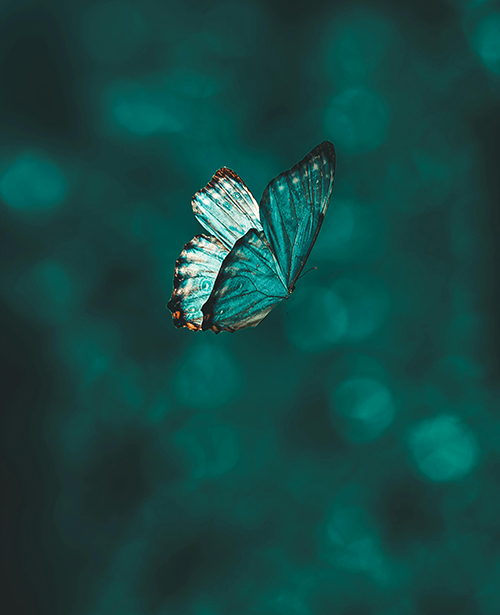
Blue butterfly: pexels/aarngiri; @aarn_giri
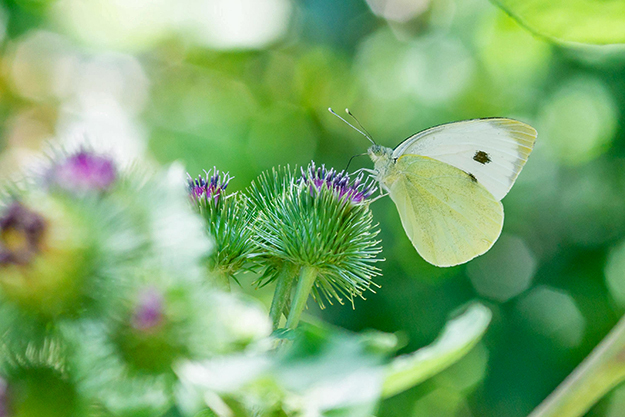
Cabbage white butterfly: pexels/mali maeder
Butterfly illustration: Stella Maris Mongodi