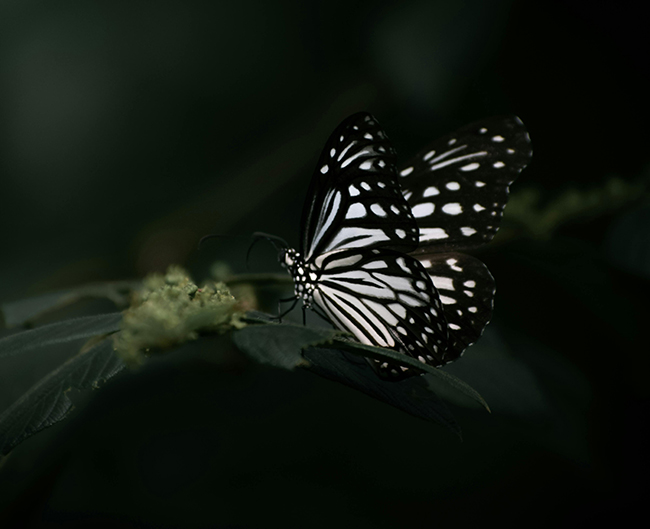
What is the meaning of a butterfly? Often, the butterfly symbolizes change, due to its dramatic transformation from a caterpillar to a magnificent winged creature. In Japanese, Burmese, and many other cultures the butterfly is seen as a symbol for the soul.
Was symbolism intended when I wrote my picture book, Where Do Butterflies Go at Night?
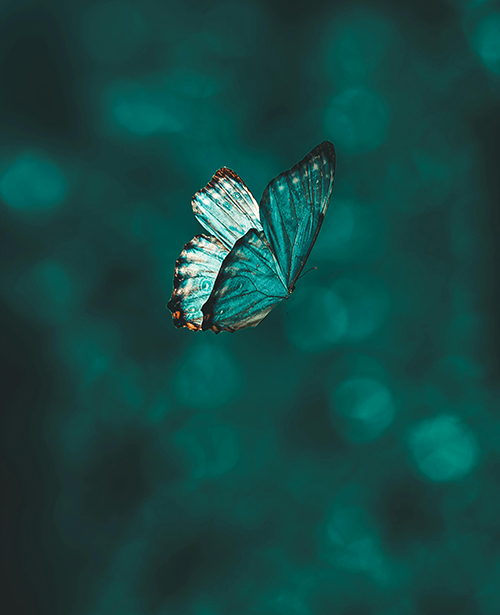
If you had asked me when I first wrote it in 2009, I would have said `no’, but I now question if I didn’t have more in mind than even I knew. I submitted “Butterflies” to agents and traditional publishers for many years. Although I often got positive feedback, it was ultimate;y rejected because it was in rhyme, and rhyme is hard to sell.
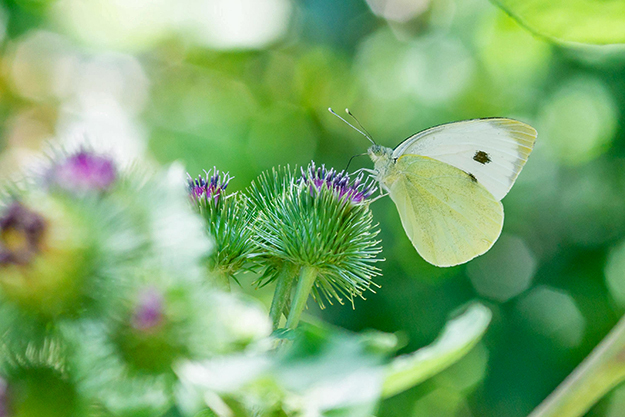
A small, independent publisher saw the beauty in my story of the magical imaginings of a child who wondered where the butterflies went at night. It was published with the lovely art of Stella Maris Mongodi, who brought the sweet simplicity of the cabbage white butterfly to life in a whole new and charming way.
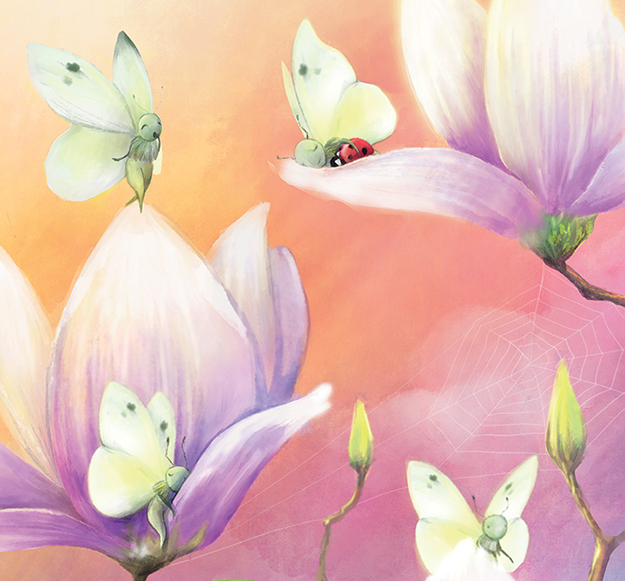
When the original publisher closed its doors, I self-published this, my debut picture book, now identifying it as “2nd Edition.” In 2025, it won a first place award in the poetry category from a prestigious reviewer of children’s books. And in my most recent picture book school presentation, I decided to do something a little differently.
In emphasizing the concept of change from caterpillar to butterfly, I talked with 1st and 2nd graders about the importance of embracing change; being brave in the face of change; and understanding that all change is ultimately working in our favor. One might think little ones wouldn’t get that, but they did. Sometimes wiser than we adults, they did.
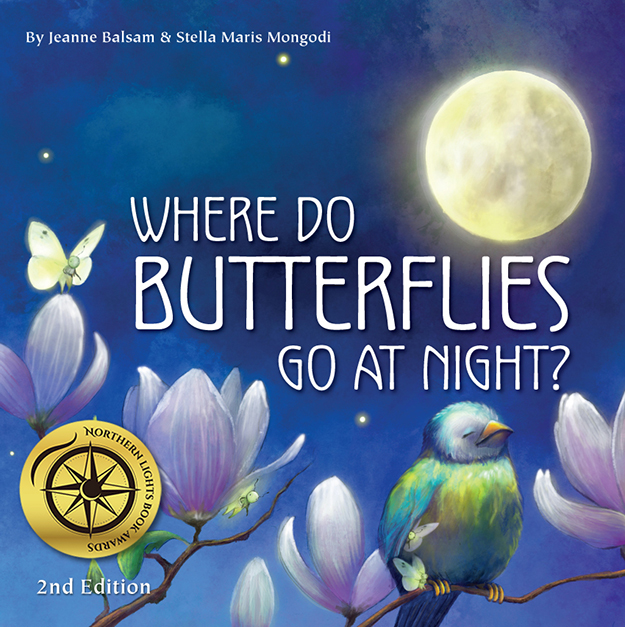
And so, the butterfly has become a symbol of transformation for me, as well. I’ve gone through many changes with these butterflies and their story. They continue to light my path, and I am still unfolding.
~~~~~~~~~~~~
Where Do Butterflies Go at Night, 2nd Edition is available on Amazon and in also my Etsy shop, if you would like your copy signed.
Photo credits:
BW butterfly: pexels/6th Era Photography; @stories_by_sixthera
Blue butterfly: pexels/aarngiri; @aarn_giri
Cabbage white butterfly: pexels/mali maeder
Butterfly illustration: Stella Maris Mongodi
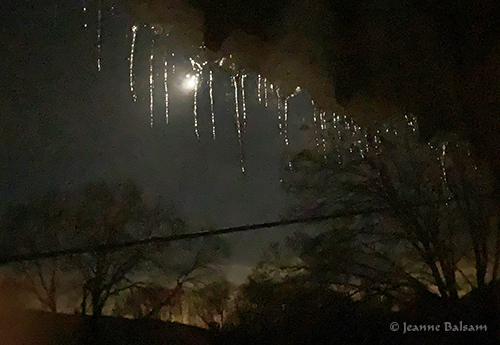
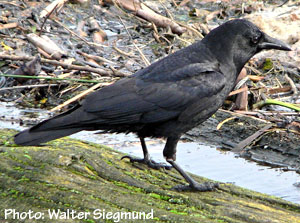 First a little science. Did you know that crows and ravens (same family) and macaws have the highest brain to skull ratio of any bird on the planet? In fact, their brain to skull ratio is higher than in humans! This in part accounts for their high intelligence, not to mention they have been on the planet for 60-65 million years. Crows also have a skill accorded to one of the most intelligent mammals on earth, the great apes, i.e. they create and use tools. Crows also will gather around one of their own when it has died to try and determine the cause of its death. They will learn the facial configuration of a mean human and teach all other crows to know it as such and avoid that human. When a crow leaves its flock and joins another, it immediately acquires their “dialect” by taking on the characteristics of the most popular crows in that flock. No intellectual slouches, these crows.
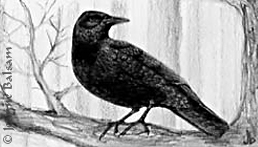 American terms and
 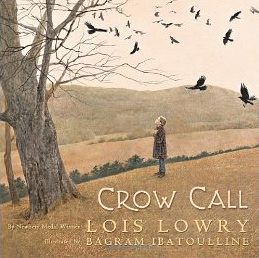 pilfering the dry food. She sees me and flies away. Not 10 minutes later, I hear the caw again. I appear and she flies away. Shortly thereafter, out of the corner of my eye, I see a flash of black through the side door window. She has learned in only two incidents that her caw brings me to the door, and now flies in silently. Seeing me again, her next attempt was from a different angle that I could not easily see.
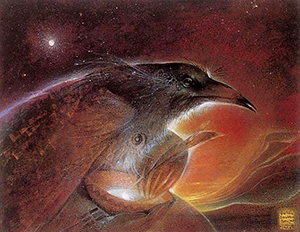 Occasionally, I will see a crow on my walks or on the fence near the window where I work. I always say hello and am sometimes acknowledged with a look and a “caw”. When a crow -– or any animal – appears unexpectedly and/or repeatedly in my life, I may look into its possible meaning. In the case of a crow, I might be at a crossroads, looking for or ready for a change, and need to pull more on my own intuition. Even if that has nothing to do with the crow, when is it ever a bad idea?
 Still A Dreamer