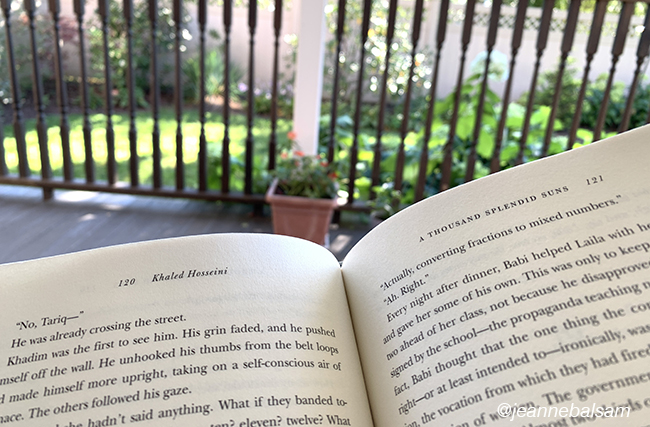
A good book
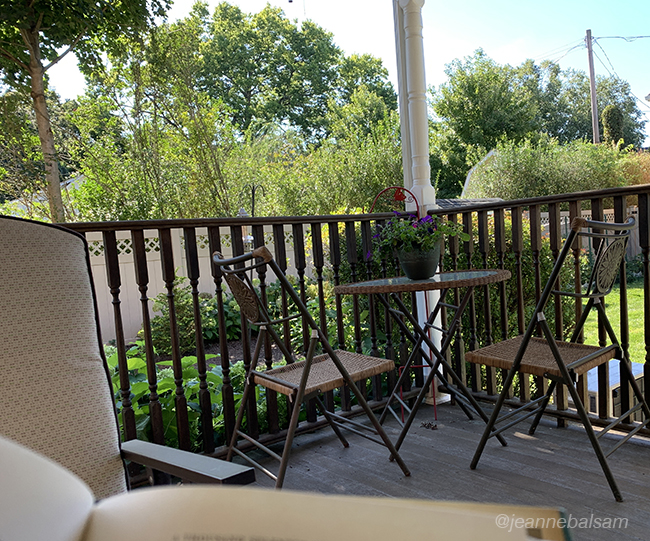
A cool breeze on the back porch
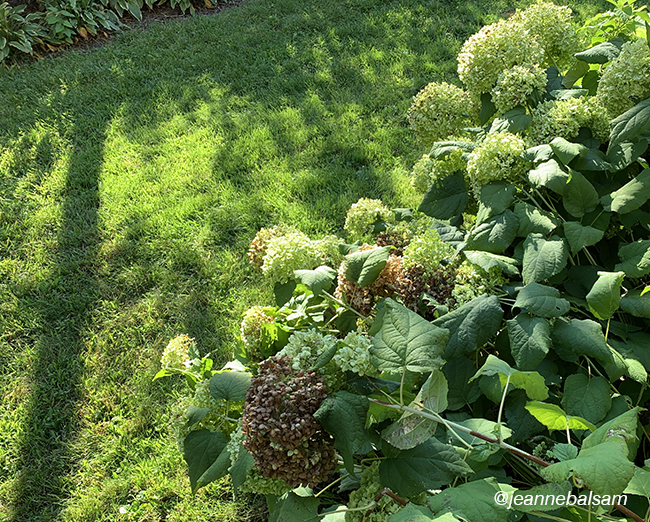
Peace and quiet
Heaven.
A good book
A cool breeze on the back porch
Peace and quiet
Heaven.

I love whales. All creatures in the sea. Actually, all creatures. I have a bunch of whale photos from a no-longer remembered source, and they’re all beautiful. I’ve been wanting to do something with them, so I did.
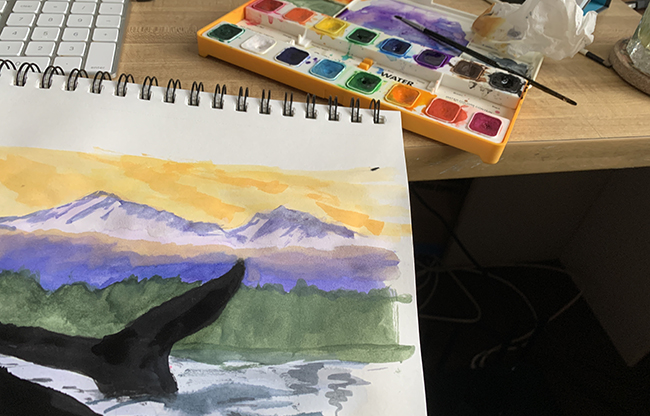
I know nothing of how to properly do watercolors; I just play around – my ancient Crayola watercolors and one brush. (I have more brushes in my studio, but was too lazy to go upstairs.)
My theory is that anything that gets you to draw, paint, write, compose – if you like that one thing? Do that.
It’s the weekend. I have chores to do and a few other things to catch up on, but what about tomorrow?
Maybe I’ll take myself on an Artist Date, I thought.

What is an Artist Date? It’s one of two basic artists’ practices proposed by Julia Cameron to inspire creativity. The other is The Morning Pages. She introduced these in her 2002 book, The Artist’s Way. (She also has many, many more ways to get your inspiration moving.)
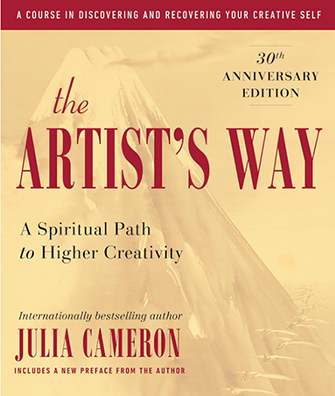
The Morning Pages is a daily writing exercise, three pages of stream of consciousness writing done in the morning to kick off your day with inspiration.
But the Artist Date – that asks a little more of us. Ms. Cameron asks that we take ourselves somewhere each week – by ourselves – for a block of time to “nurture our inner artist.” The cool thing about the Artist Date is that it can be anywhere – take a few photos by the river; people-watch in town; go to a museum, gallery, library, some special shop; take pictures, sketch, read, or just watch. But go by yourself.
As we are creatures who seem to be always facing schedules and tasks, taking that time for ourselves, and BEING by ourselves, may be a bigger ask for some than you think. Or maybe not. You just may love it.
Pictured above was an Artist Date I took in Clinton some time ago. I realized that I have a perfect opportunity to take myself on a date this coming Tuesday, and so I shall. Stay tuned.
Learn more about Julia Cameron’s The Artist’s Way and get ready to be inspired!
It’s just a minor seaside disagreement as to the ownership of one small colorful fish. Entitled “My Fish!”, this is my original art available as a giclée print, in my Etsy shop.

For those not familiar, I once illustrated Just Frenchies magazine for 10 years. From this, I grew a small business focused on my French Bulldog art, eventually moving to a shop on Etsy. While this is not the direction where I am headed now, I continue to share some of my French Bulldog art, terrier art, carousel horses, etc, as cards and prints.
Does everyone’s drawing process start out the same – with an idea, and some idea of how you want it to look?
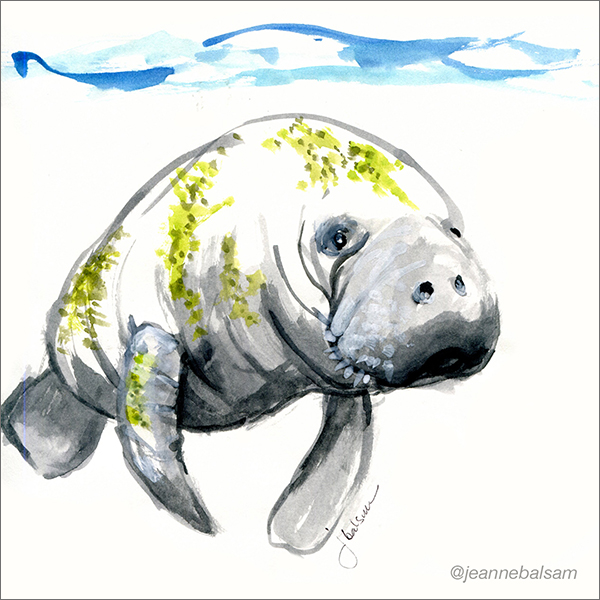
In this case, I did a couple preliminary sketches in pen and ink to get a feel for the manatee’s contours, and then went to a full page to do an underlying sketch in pencil. I figured I’d clean it up and proceed with what I had in mind. What you see isn’t that.
Then I realized what I’d had in mind was never going to happen. I decided to start sketching with just one brush and my watercolors and go from there. See what this little manatee wanted.
Letting one’s art or music or writing evolve is, I believe, what creating is all about. I’m not sure why, after all this time, it still surprises me that the result is nothing like what I imagined. Yet I like it.
I often come back and look at the drawing a ridiculous number of times, as if it might disappear, or maybe I never did it at all. But each time I see it, I smile.
It’s always a shade of me I’m still getting to know. Do you know that feeling?
p.s. Also known as sea cows, the manatee is one of the gentlest creatures on the planet, and a threatened or endangered species, depending on their location.
Life is an interesting journey. Here are journals, stories, reflections of a traveller of this journey. (songoftheheartsite@gmail.com)
Sharing my journey of a calm, intentional life.
Sharing Information About Writing and Illustrating for Children
Aren't songs of grief lullabies to the lost?
Immersive Tales for the Curious Explorer
Life in a flash - a bi-weekly storytelling blog
Becky Ross Michael: author & editor
Observing, Gathering, Gleaning, Sharing
Official Home of Lavinia and Rick Ross
Thoughts on life, writing, creativity and magic

