 The first thing to happen is your brain starts to slowly disintegrate on the way home. Once in the door, you need to tend to anything that needs tending to because your body is following close behind and is not going to be in an upright position too much longer. From stress? Nope – from the incredible rush of attending a two-day conference for writers and illustrators of children’s books. It’s exhausting alright, but in a good way.
Each June my New Jersey chapter of the SCBWI (Society of Children’s Book Writers and Illustrators) holds its big event. There are workshops, round tables, one-on-one critiques, a juried art show, portfolio display, keynote speeches, and more. This year, in choosing my workshops I focused entirely on writing in picture books. Other years, I have mixed things up and taken workshops in middle grade and young adult writing, picture book illustration, marketing/social media, and more. There were some truly fabulous speakers this year who inspired me and will keep me thinking long after the conference.
 A highlight of the NJ event for many attendees is the availability of having one-on-one critiques, something not offered at all SCBWI (or other writing) conferences, and I picked very well this year. The picture book I submitted seemed a very good fit for Charlesbridge Publishing, and my mentor was outstanding – knowledgeable, insightful, and beyond helpful. Did I mention thorough? Yes, very thorough. A good editor or agent really knows how to show you where you need improvement without destroying your soul, acknowledge all the things that are right with your manuscript, and point out directions that will help you make your story perfect. And that I got.
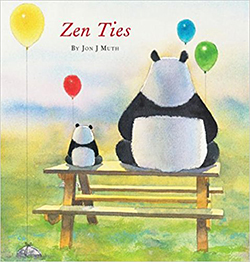
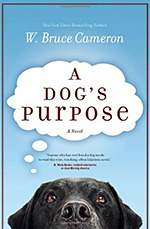
 The big challenge after a conference like this, for me, anyway, is to keep the momentum and all that excitement going because Monday morning rolls around pretty quickly and I am back at my desk writing and designing for everyone else, i.e., my clients. However, one of the first things I did Monday was to hit the library. I was picking up an adult novel I’d requested on inter-library loan, Before We Were Yours, and also a number of picture books that had been recommended by my mentor and other workshop leaders along the way. I also requested a few more from our main library. (As I did not take any photos of the event, I have included a handful of those books here.)
 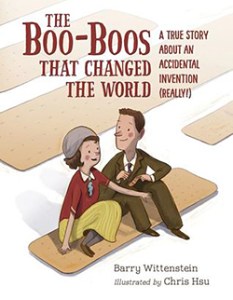 I plan to read them over the next couple days for both enjoyment and to understand what makes them really good picture books. There is always much to learn.
Over the next few days I will revisit the MS I submitted and all my mentor’s notes and look to see how I can make my story shine yet brighter. For all the praise she gave me for this picture book, and there was plenty, it wasn’t enough – at least not yet – to be the one Charlesbridge wants to publish. Not yet.
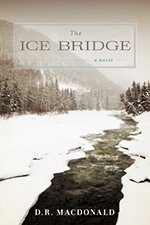 One of the very compelling features in a good novel can be place, where an author writes with such depth and attention to the environment inhabited by his characters that the location becomes a character all its own. I just finished The Ice Bridge by D.R.Macdonald, and was amazed at how quickly he had me immersed in the landscape of Cape Breton in Nova Scotia. This is an outstanding book in so many ways, not least of which was my having moved to the harsh, wintry landscape of Cape Seal Road right along with one of the main characters, Anna.
 We’re halfway through November. For some writers, you are feverishly striving to complete your 50,000 words in NaNoWriMo (National Novel Writers’ Month). I have to say, while I need a swift kick in the butt to get writing as much as anyone from time to time, 50,000 words in one month is more of a kick than I’d ever want.
 More and more lately I’m looking around and wanting to let things go. Personal things. (Well, aren’t they all personal things?) OK, some very personal things. Journals, things related to past loves, books, and of course, clothing. There’s always clothing we could lose. I really am not someone with a lot of clothing, yet I want it gone.
 The good news is that one agent confirmed my story is unique and not on the market, and she really liked the concept. The not-surprising news is I have a lot of work ahead of me, as in, now I have to write the rest of the book! This agent really paid attention when looking at my synopsis and the first 15 pages of my manuscript, and offered solid advice. I also came armed with lots of questions, and the ensuing discussion helped to highlight areas I need to focus on, existing concepts I might change to improve it, etc. So for that critique alone, the conference was worth it.
 Still A Dreamer