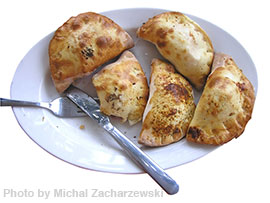
 At first that may sound like a wacky idea, but who could argue with teaching tolerance to kids and who doesn’t like food? The idea is not mine*, and actually I’m focusing on just a part of the author’s three recommendations to remove judgment, be aware of your own behavior, and diversify your life as a way of inspiring your kids. The third idea is about broadening a child’s frame of reference so that those kids who might seem “different” can seem “normal.” (their words.)
The recommendation was eating out at international restaurants or creating a regular family event that features different ethnic foods while learning about that culture. This is really genius to me. Unless you have a super-picky eater, you can generally find a dish in almost any culture that is tasty and palatable, even to children. Think about starting with your own heritage. For example, I have six different nationalities between my grandparents and great grandparents. That’s where I’d start, right with one’s own family.
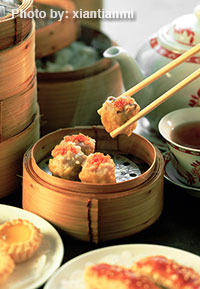 Let’s pick one … how about Irish? It might not be easy to find an Irish restaurant nearby, (although there is at least one in Manhattan), but we can cook up some Irish goodies at home. There’s lots of ways to cook up potatoes and cabbage, and if you eat meat, there’s corned beef for starters. Or …. Irish soda bread anyone? And perhaps some stout for the adults. These are the obvious choices, but exploration reveals greater variety in any country’s cuisine. Meanwhile, you could learn about Ireland’s history and of the Irish when they came to America, what they ate in the past and what they eat now.
Today we are seeing more different cultures than we did even a decade ago, between immigration, (the very same way so many of our own forefathers got here), but also in increased adoptions from overseas. Our children now go to school with Russian, Vietnamese, African, Chinese, Korean, and Colombian children, among others, all adopted. Understanding what these children eat in their native culture and serving something from it at our house while learning about that culture is to help them be understood and accepted.
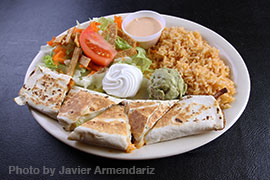 Depending where you live, you can also visit restaurants of different cultures. Skipping the chain food restaurants, it’s still possible to find authentic Chinese, Mexican and Italian foods in many places. It’s now becoming easier to find Thai, Indian, Vietnamese, and Korean for not too long a ride. Without leaving my state, you can also find authentic Hungarian, German, Ukrainian, Polish, Szechuan, Portuguese, and Cuban food and more. The key is to learn about the culture as well as enjoying the food.
Maybe your kids have some new students in their class. They’d like to learn more about them but are feeling shy in reaching out. Let’s find some facts and enjoy their food! It’s often been said that knowledge is power, and in this idea, that’s half of it – knowledge AND good food can be the power of tolerance. Bon appétit!
* My post is inspired by one segment of the Better Homes and Gardens‘ series called The Good Kid Project which explores the qualities that are key to a happy, well-adjusted child. Their January column is devoted to tolerance. Visit their website for more info.










 Still A Dreamer