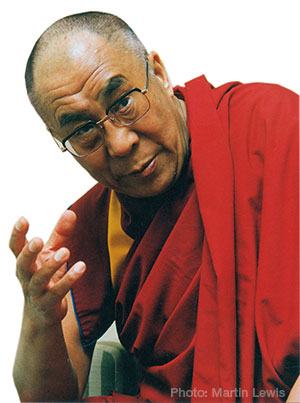
 I recently rented a somewhat different video from my usual fare, (whatever exactly that is), Ten Questions for the Dalai Lama. The film was made by Rick Ray, who also did the interview of His Holiness and examined a variety of issues surrounding the Dalai Lama and his native country, Tibet.
The film covered the Dalai Lama’s childhood and how he was selected to be the 14th to occupy this position which is a combination of chief spiritual and political leader. It showed the lives of Buddhist monks and the beauty and peacefulness of the Tibetan people. It also recounted the horrific invasion and takeover of Tibet by the Chinese in 1949-1951, in which 1,200,000 Tibetans were killed, many thousands of others beaten and jailed. Even today, if a Tibetan so much as harbors an image of the Dalai Lama, he is severely beaten and imprisoned. Disguised, the Dalai Lama and his family were able to escape the country in 1959. He currently lives in political asylum in India.
Although I know China invaded and took over Tibet, I had not been aware of the details, so I am thankful to have chosen this film and learned more of this historical time. (If interested, you can learn about the event and what happened to Tibet afterwards here, which is an official website of the Dalai Lama.) But my primary interest was in the man himself.

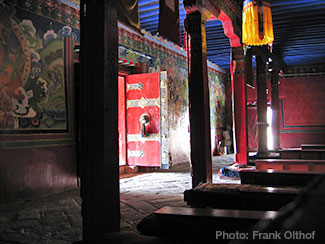
Interior of a Buddhist temple in Tibet
As a result of watching the Dalai Lama in this film, I can say that he is a brilliant, insightful and compassionate man with a delightful kind of kookiness about him. It would be impossible not to like him as he shares his thoughts, opinions and feelings – and sometimes laughter – on a variety of subjects. His observations about the West are not surprising, how as a people we are driven by greed, never having enough. He commented on how often the less people have, the happier they are. When asked about the parallel he might make between himself and Mahatma Gandhi and their ideas about non-violence, the Dalai Lama noted that their aims were the same, that non-violence towards others is the only way to make true progress in the world, and that he and Gandhi were of the same mind in this way.
He pointed out, however, that there was a major difference between Gandhi’s experience and that of his people’s in Tibet and that was/is the endless use of violence used to punish Tibetans at the hands of the Chinese. Gandhi and those who stood with him were not beaten with guns or shot. The numerous film clips show the brutality and violence the Tibetans were/are subjected to at the hands of the Chinese military, (which today, outside of the capital of Lhasa, is largely undercover police), and how their most basic human rights are denied.
The Dalai Lama had reached out to the Chinese Communist leadership in the past, but they were not cooperative. And so this world-famous spiritual leader continues to strive for world peace and the freedom of his country. When at home, he spends a portion of his day in communication with media and the remainder in spiritual practice. But he is often making appearances around the world discussing how his life is guided by three major commitments – the promotion of basic human values, the fostering of inter-religious harmony, and the preservation of Tibet’s Buddhist culture of peace and non-violence.
Having had only occasional exposure to the Dalai Lama, I was deeply impressed, as naive as that may sound, by the beauty and genuineness of his spirit as shown through this film. I can only imagine what a joy it might be to actually sit and talk with him.
I was also reminded, as he spoke about practicing non-violence towards all living beings, that an important aspect of being vegan, as challenging as it is, is an abstention from the violence that is routinely perpetrated on all animals that provide us with meat, dairy, or other commodities, whether during their lives or in their death.
There is clearly a peace that the Dalai Lama exudes, and to the degree that it comes from non-violence, who cannot be for it?
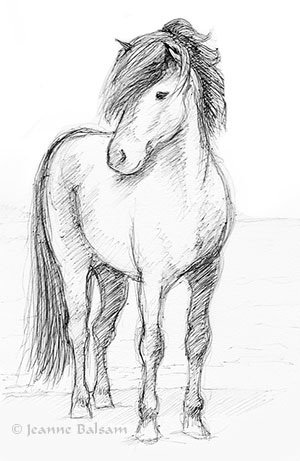 Sometimes there is just too much to do … as I’m sure any of you can attest. Between work and shoveling snow … and shoveling snow … and shoveling snow … and just taking care of day to day life, things that really matter can sometimes be sitting on the sidelines. Children’s books are always in my head, so if I don’t have the time to be writing or dummying, illustrating or prepping something to send to an agent or editor, I can do something else … I can turn out a sketch.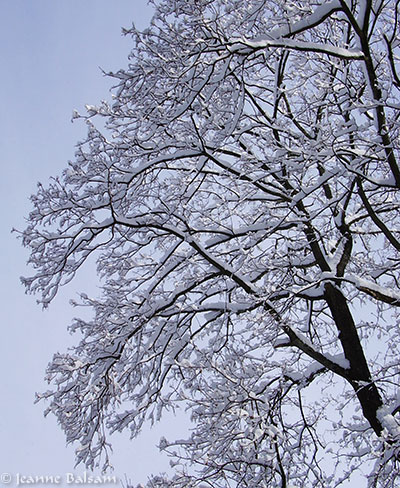


 Still A Dreamer