You’re Not Everyone’s Cup of Tea

No, you’re not. Neither am I. Quite honestly, it’s a good thing.
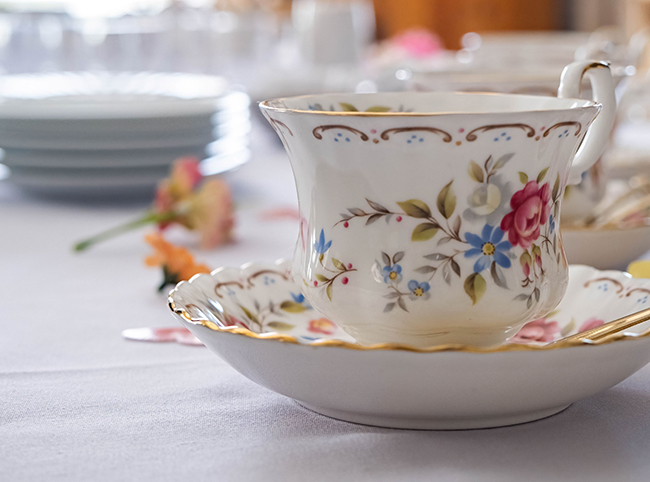
One way to not be everyone’s cup of tea, I am reminded from time to time, is to say what you actually think or feel. Respectfully, but honest. Not everyone wants to hear it. Not everyone is able to hear it.

Many people live in environments where they rarely say what’s truly on their minds and are used to avoiding conflict. Having straightforward, honest conversation can be unfamiliar, frustrating, confusing, or just unwanted.

A fair amount of us were/are raised with the belief that ‘children should be seen and not heard.’ That crosses time frames, geographical, cultural, and religious beliefs, and may be subtle and integrated within one’s belief system.

Children expressing unhappiness, frustration, and especially anger may not be welcomed or tolerated. Kids grow up having often been taught to just be “good”.

Couple this with a world drowning in sound bites, overwhelmed by video clips and emotionless texts as the norm, meaningful conversation can take a far back seat.

And yet, you have a lot to say, and plenty to share. Do it anyway.

Be your own cup of tea. 

Thank you to:
Cameron B/pexels – IG: @cameronsinb, top photo and
dilara/pexels – IG: @dilara.stillife, lower photo

Why Journaling Works

Maybe not so surprisingly, there have been lots of studies done on journaling and why it’s effective. As journaling has been a longtime habit of mine, I can attest to the fact that it is a helpful practice benefiting both mind and spirit, just as these studies have shown.

If you think back to your childhood, you may have kept a diary. It had a lock and a key to keep prying siblings and/or parents out. It was where we recorded our most private thoughts and dreams, and we often addressed it as if it were our most conspiratorial listener, “Dear Diary …”

Journaling is pretty much an extension of that, a repository for all that’s on our minds, and what we can best share with no one else’s input and commentary. Julia Cameron (“The Artist’s Way”) sees it as a “morning dump”, recommending three pages daily, to get all the troublesome thoughts in our head out and onto the paper so we can leave them behind and start a new day. But you can be totally flexible as to the time, amount, and what you write on or with.

Studies have shown that journaling reduces stress, provides a cathartic experience, and literally, boosts the immune system! And without a medication in sight. Your journal is a place to release emotions, whine, complain, rage, melt into tears, and know that it’s all safely there on the pages.

But it’s also something more, depending where you are in your life. It’s also a way to sort things out, resolve questions, plan, dream, and yes, even write down some joy or occasional delirium. Journaling works because we need to express our feelings, feelings that are not always ready to be shared with the “outside world.” Maybe never. But here they are safe. We can look back at them, or just move on. But there … we’ve said it.

Many of the people who follow this blog are writers, and may already journal and understand its value. But for anyone else? Try it. Start a new habit. Become familiar with the rhythm of writing, of putting down feelings just for you. And while you’re thinking about it, I just happen to have a journal you could start with, or perhaps give to someone in your life who’d enjoy putting their heart and mind on paper. Take a look and happy journaling!